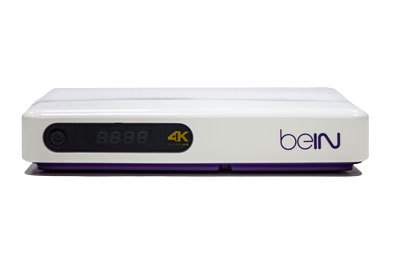
MTV Live has long been a go-to destination for music lovers who enjoy live performances, exclusive concerts, and the latest hits from international artists.
For fans who want uninterrupted access to this vibrant channel, knowing its frequencies across different satellites is essential. This ensures that you can tune in effortlessly, no matter where you are in the world.
Key Satellites Broadcasting MTV Live
MTV Live is widely available on several popular satellites. Here’s an overview:
-
NileSat
-
Frequency: 12322 MHz
-
Polarization: Vertical
-
Symbol Rate: 30000
-
Quality: SD & HD
-
-
Hotbird
-
Frequency: 12303 MHz
-
Polarization: Horizontal
-
Symbol Rate: 27500
-
Quality: HD
-
-
Astra
-
Frequency: 12034 MHz
-
Polarization: Vertical
-
Symbol Rate: 22000
-
Quality: HD
-
-
Eutelsat
-
Frequency: 11785 MHz
-
Polarization: Horizontal
-
Symbol Rate: 29900
-
Quality: SD
-
(Frequencies are subject to change, so always check for updates from reliable satellite sources.)
Tips for Optimizing Your MTV Live Reception
To ensure the best viewing experience on MTV Live, follow these steps:
-
Check Satellite Alignment: Properly align your satellite dish according to the satellite’s coordinates. Small adjustments can dramatically improve signal quality.
-
Update Receiver Settings: Enter the latest frequency, polarization, and symbol rate into your satellite receiver to avoid signal interruptions.
-
Use a Quality LNB: A high-quality Low-Noise Block (LNB) can minimize signal loss and improve picture clarity.
-
Regularly Scan for Updates: Channels often adjust their frequencies, so it’s important to perform periodic scans on your receiver to ensure MTV Live is always accessible.
Why MTV Live Remains Popular
MTV Live continues to attract viewers worldwide due to its dynamic content and focus on live music performances. Unlike pre-recorded channels, it delivers a sense of immediacy and connection with artists, making it a favorite for those seeking an authentic music experience.
Setting Your Receiver to Automatically Follow New Channels
Modern satellite receivers allow automatic updates of the channel list without manually scanning each frequency. This ensures you always access new channels and maintain a complete, organized lineup.
1. Enable Auto-Update Features
- Go to your receiver’s Settings or System menu.
- Look for options like Auto Channel Update, Network Scan, or Channel Refresh.
- Turn on the feature to allow the receiver to check for new channels automatically at scheduled times.
2. Connect to the Satellite or Network
- Some receivers require connection to the satellite network or an internet feed for automatic updates.
- Ensure your receiver is online if the feature relies on network-based updates.
3. Schedule Update Times
- Set the update to occur at convenient times, such as overnight, to avoid interrupting viewing.
- Choose daily, weekly, or event-based update intervals if available.
4. Keep Receiver Firmware Updated
- Maintain the latest firmware to support automatic channel updates.
- Check manufacturer notifications to ensure compatibility with the latest transponder changes.
5. Verify Updated Channels
- After auto-update, review your channel list to ensure new channels are added correctly.
- Organize favorites and remove duplicates or inactive channels if necessary.
Enabling automatic channel updates saves time, ensures you never miss newly launched channels, and keeps your receiver’s lineup complete and organized without manual effort.
Strategies to Improve Satellite Channel Reception
Ensuring strong and stable satellite reception requires proper alignment, high-quality equipment, and regular maintenance. Following the right strategies can significantly enhance your viewing experience and reduce interruptions.
1. Optimize Dish Alignment
- Ensure the dish is precisely pointed to the satellite’s azimuth and elevation.
- Use signal strength and quality indicators on your receiver to fine-tune alignment.
- Make small adjustments slowly to achieve the highest stable signal.
2. Adjust LNB Skew Angle
- Rotate the LNB slightly to match the satellite’s polarization.
- Proper skew adjustment reduces interference and improves signal quality.
- Check manufacturer recommendations for your satellite and location.
3. Use High-Quality LNBs and Cables
- Low-noise LNBs provide better signal reception, especially for weak satellites.
- Use well-shielded coaxial cables to prevent interference and signal loss.
- Replace old or damaged cables promptly.
4. Keep Equipment Clean and Maintained
- Remove dust, leaves, or snow from the dish surface regularly.
- Check for loose connections and tighten F-connectors as needed.
- Inspect for rust or physical damage and repair when necessary.
5. Avoid Obstacles and Interference
- Ensure there are no trees, buildings, or other obstructions blocking the line of sight to the satellite.
- Avoid placing the dish near devices that may cause electromagnetic interference.
- Choose an elevated location if possible to maximize signal reception.
6. Regularly Monitor and Update Settings
- Check signal indicators periodically to detect any drop in quality.
- Update transponder lists and receiver firmware to maintain optimal performance.
- Re-scan channels if you notice missing or weak channels.
Implementing these strategies ensures a strong, clear, and reliable satellite signal, providing uninterrupted access to your favorite channels and high-quality viewing experience.
How Satellites Enable Global Live Sports Broadcasting
Satellite technology is the backbone of global live sports broadcasting. It allows major sporting events—such as the
FIFA World Cup and the Olympic Games—to be transmitted in real time to millions of viewers across continents with high reliability and quality.
1. Capturing the Live Event
- Multiple professional cameras capture the action from different angles inside the stadium.
- Audio commentary, instant replays, and on-screen graphics are added in a production control room.
- The final video feed is encoded into a compressed digital format suitable for satellite transmission.
2. Uplink Transmission to the Satellite
- The encoded broadcast signal is sent from a ground station (uplink facility) to a geostationary satellite in orbit.
- The satellite receives, amplifies, and shifts the frequency of the signal.
- High-powered transponders ensure wide and stable coverage over large regions.
3. Downlink Distribution to Broadcasters and Viewers
- The satellite retransmits the signal back to Earth across its coverage footprint.
- TV networks receive the signal at their ground stations for redistribution via cable, terrestrial, or IPTV systems.
- Home satellite dishes receive the signal directly for live viewing.
4. Maintaining High Quality and Low Latency
- Advanced standards such as DVB-S2 and HEVC compression allow HD and 4K broadcasts with efficient bandwidth usage.
- Redundant satellite links prevent interruptions during critical live moments.
- Hybrid systems combine satellite and fiber networks to minimize broadcast delay.
5. Why Satellites Are Essential for Live Sports
- Global reach without relying on local infrastructure.
- Simultaneous transmission to multiple countries and languages.
- Reliable performance even in remote or disaster-affected areas.
In summary, satellites make worldwide live sports coverage possible by rapidly transmitting high-quality video signals from stadiums to broadcasters and viewers everywhere, ensuring fans never miss a single moment of the action.
Understanding the Difference Between Arabic and International Satellites
Satellite broadcasting varies depending on whether the satellite is regional (Arabic) or international. Understanding these differences helps viewers choose the right satellites for their preferred channels and optimize reception quality.
1. Coverage Area
- Arabic Satellites: Primarily cover the Middle East and North Africa, offering regional channels and content.
- International Satellites: Provide global coverage, including Europe, Asia, and the Americas.
- Coverage maps (footprints) determine which regions receive strong signals from each satellite.
2. Channel Content
- Arabic satellites focus on local news, entertainment, and regional sports channels.
- International satellites broadcast a variety of content including global news, movies, sports, and multicultural programming.
- Language and regional restrictions may affect channel availability.
3. Transponder and Frequency Management
- Arabic satellites often have transponders dedicated to specific regional broadcasters.
- International satellites manage multiple regions and languages, sometimes offering more transponders per satellite.
- Frequency and polarization must be correctly selected for clear reception.
4. Accessibility and Subscription
- Many Arabic channels are free-to-air, allowing access without subscriptions.
- International satellites may have encrypted channels requiring paid subscriptions.
- Some international sports or movie channels require regional decoders or smart cards.
5. Choosing the Right Satellite
- Decide based on your preferred content, language, and geographic location.
- Consider combining Arabic and international satellites for a wider range of channels.
- Use satellite tracking tools to ensure optimal dish alignment and reception quality.
Understanding the differences between Arabic and international satellites helps viewers select the best satellites for their needs, ensuring access to desired channels with optimal signal quality.
How to Protect Your Satellite Receiver from Data Loss
Satellite receivers store important information such as channel lists, favorites, and settings. Protecting this data ensures uninterrupted viewing and saves time that would otherwise be spent on reconfiguring the receiver.
1. Regularly Backup Your Channel List
- Use a USB flash drive to export channel lists and receiver settings.
- Perform backups after adding new channels or changing settings.
- Keep multiple backup copies in case one file becomes corrupted.
2. Update Firmware Carefully
- Only install official firmware updates from your receiver manufacturer.
- Ensure the power supply is stable during firmware installation to avoid data corruption.
- Restart the receiver after updates and verify that your channels and settings remain intact.
3. Avoid Power Interruptions
- Use a surge protector or UPS to prevent sudden power outages.
- Do not unplug the receiver while it is saving settings or performing updates.
4. Handle USB Devices Carefully
- Safely remove USB drives after backups to prevent corruption.
- Use quality USB drives formatted in FAT32 or exFAT for compatibility.
5. Restore Data When Needed
- Keep instructions ready for restoring channel lists and settings from backups.
- After restoration, verify that all channels, favorites, and custom settings are working correctly.
By following these precautions, you can protect your receiver from accidental data loss, ensure stable channel reception, and maintain your personalized viewing experience.
How to Watch High-Definition 4K Channels
Watching 4K channels requires proper equipment, strong signal reception, and compatible content. Following the right steps ensures you enjoy ultra-high-definition quality without interruptions.
1. Use a 4K-Compatible Receiver
- Ensure your satellite receiver supports 4K (Ultra HD) resolution.
- Check the specifications for HEVC/H.265 decoding, which is commonly used for 4K broadcasts.
- Update the receiver firmware to access the latest 4K channels and features.
2. Use a 4K-Capable TV
- Connect your receiver to a 4K Ultra HD TV using HDMI 2.0 or higher.
- Ensure the TV is set to display 4K resolution in its settings menu.
- Enable HDR (High Dynamic Range) if supported, for better color and contrast.
3. Check Signal Quality
- High-definition 4K signals require stronger and more stable reception.
- Use signal quality indicators on your receiver to optimize dish alignment and LNB skew.
- Ensure cables are high-quality and shielded to prevent signal loss.
4. Tune to 4K Channels
- Use official satellite frequency lists to locate available 4K channels.
- Perform an automatic or manual scan to add 4K channels to your receiver.
- Organize 4K channels in favorites for easy access.
5. Ensure Sufficient Bandwidth
- If your receiver uses IPTV or streaming features, ensure a stable internet connection with sufficient bandwidth for 4K playback.
- HDMI and receiver settings should be configured for high frame rate 4K content.
By following these steps, you can enjoy crystal-clear 4K satellite channels, with vibrant colors, sharper images, and an immersive viewing experience.
How to Choose the Right Satellites for Watching Sports
Choosing the right satellite is essential for accessing sports channels and live broadcasts. The correct satellite ensures better coverage, higher signal quality, and access to regional or international sports networks.
1. Identify Your Favorite Sports Channels
- List the channels you want to watch (e.g., ESPN, beIN Sports, Sky Sports).
- Check which satellites these channels are broadcasting from.
- Focus on satellites with the widest coverage for your preferred channels.
2. Check Satellite Footprints
- Look at the satellite’s coverage map (footprint) to ensure strong reception in your location.
- Choose satellites with high signal strength for HD or 4K sports broadcasts.
- Consider satellites that cover multiple regions if you want international sports.
3. Consider Frequency and Transponder Details
- Verify the frequencies, polarization, and symbol rates used for sports channels.
- Satellites with stable and high-power transponders improve reception quality.
- Check for regular updates to frequencies for live sports events.
4. Evaluate Local Regulations and Availability
- Some sports channels may be restricted to certain regions or satellites.
- Choose satellites that legally broadcast the sports content you want.
- Ensure you have access to the required subscriptions if channels are encrypted.
5. Use Receiver Tools and Apps
- Modern receivers can suggest satellites based on channel preferences.
- Satellite tracking apps can help locate the best positions for sports broadcasts.
- Regularly update transponder lists for newly launched sports channels.
By selecting the right satellites, you ensure uninterrupted access to live sports, higher signal quality, and a comprehensive lineup of regional and international sports channels.