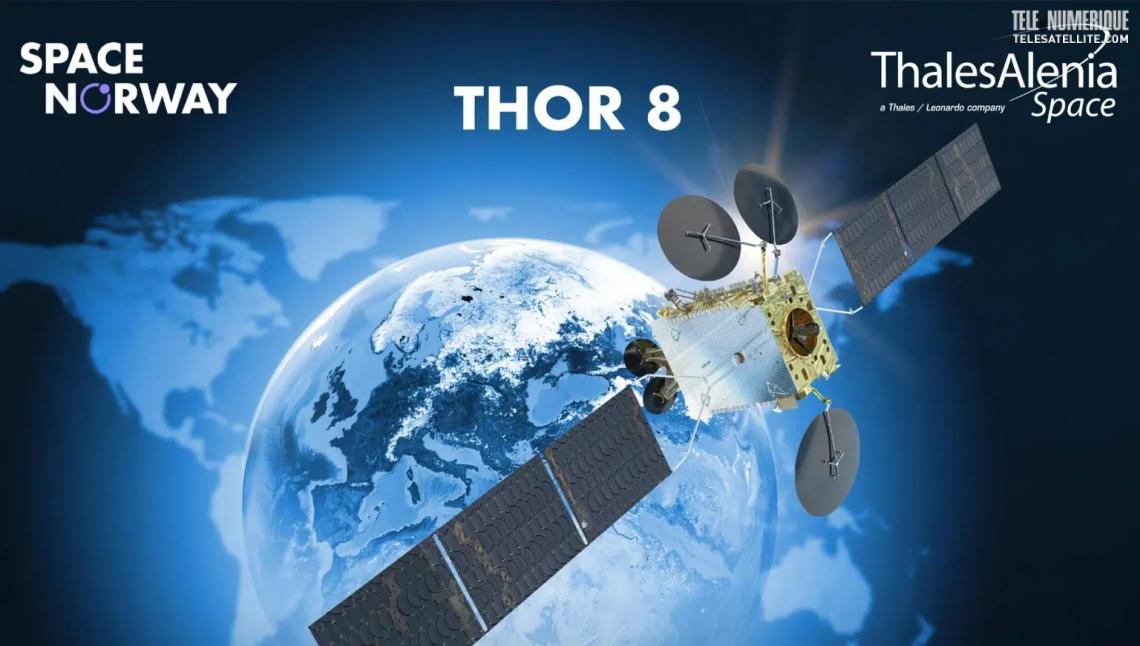
The Türksat Satellite System: Connecting Continents with Cutting-Edge Technology 🌍🛰️

In today’s interconnected world, satellites are the backbone of global communication, enabling seamless data transmission, television broadcasting, and secure military communications. Türksat, Turkey’s premier satellite operator, has emerged as a key player in this domain, bridging Europe, Asia, and Africa with cutting-edge technology. Operated by Türksat Uydu Haberleşme Kablo TV ve İşletme A.Ş. (Türksat A.Ş.), the Türksat satellite system exemplifies Turkey’s commitment to technological advancement and global outreach. This article delves into the history, technological evolution, services, and impact of the Türksat satellite system, with a special focus on Türksat 6A, Turkey’s first domestically produced communications satellite. 🚀
The Genesis of Türksat Satellites 🛠️
Early Beginnings
Türksat’s journey into satellite communications began in the early 1990s, marking Turkey’s ambitious entry into the global space arena. The first satellite, Türksat 1A, launched on January 24, 1994, was lost due to a launcher failure. Undeterred, Türksat successfully launched Türksat 1B on August 11, 1994, positioning it at 42°E. Operational by October 10, 1994, Türksat 1B featured 16 Ku-band transponders, enabling television and radio broadcasting, data transmission, and telephony services across Turkey, Central Europe, and Central Asia. 📡
Expanding Horizons
The loss of Türksat 1A led to the deployment of Türksat 1C on July 10, 1996, initially at 31.3°E before being repositioned to 42°E. This satellite expanded coverage, facilitating direct connections between Europe and Central Asia. In 2001, Türksat 2A (Eurasiasat 1) was launched, equipped with 34 high-powered transponders, including steerable beams for broader coverage. These early satellites laid the foundation for Türksat’s growing influence in the global satellite market. 🌐
Evolution of the Türksat Fleet 🌟
Türksat 3A: A Technological Leap
Launched on June 12, 2008, by Arianespace, Türksat 3A was a significant milestone. Built by Thales Alenia Space, it features 24 Ku-band transponders with a bandwidth of 1296 MHz. Positioned at 42°E, it serves Turkey, Europe, the Middle East, North Africa, and Central Asia, supporting broadband applications like VSAT services. Its design emphasizes cost-effective uplink systems, making it ideal for commercial and governmental use. 📺
Türksat 4A and 4B: Global Reach
Türksat 4A, launched on February 14, 2014, from Baikonur Cosmodrome, was constructed by Mitsubishi Electric Corporation (MELCO). Weighing 4,910 kg, it operates with 28 Ku-band, two Ka-band, and several C-band transponders. Its coverage spans from China to England, including Turkey, Europe, Central Asia, the Middle East, and Africa. The Ka-band transponders enable high-bandwidth communication, particularly for southern Africa, and support military broadcasting. Türksat 4B, launched in 2015, complements these capabilities, further strengthening Türksat’s global footprint. 🛡️
Türksat 5A and 5B: Modernizing Connectivity
Launched in 2020 and 2021, respectively, Türksat 5A and 5B were developed by Airbus. These satellites enhance broadband services and support Turkey’s growing digital economy.
With advanced transponder technologies, they provide robust communication infrastructure for both civilian and military applications. 🌐
Türksat 6A: A National Milestone 🏆
A Symbol of Self-Reliance
Türksat 6A, launched on July 8, 2024, aboard a SpaceX Falcon 9 from Cape Canaveral, Florida, marks a historic achievement as Turkey’s first fully domestically produced communications satellite.
Developed by TÜBİTAK Space Technologies Research Institute (TÜBİTAK Uzay), Turkish Aerospace Industries (TAI), ASELSAN, and CTech Bilişim Teknolojileri A.Ş., Türksat 6A positions Turkey among the 11 countries capable of manufacturing communication satellites. 🇹🇷
Technical Specifications
-
Weight: 4,260 kg
-
Position: 42°E
-
Transponders:
-
16 Ku-band transponders (plus 4 in reserve), uplink: 7.3–18.1 GHz, downlink: 11.7–12.75 GHz, minimum power: 140 watts
-
3 X-band transponders (2 active, 1 in reserve), minimum power: 150 watts, exclusive to Turkish Armed Forces
-
-
Coverage Zones:
-
West: British Isles to the Caspian Sea
-
East: Anatolia to China
-
Additional: India, Thailand, Malaysia, Indonesia
-
-
Population Reach: Over 5 billion people
Development and Testing
Türksat 6A’s development involved significant domestic expertise. TAI handled the satellite’s structure, thermal control, propulsion, and mechanical ground equipment.
TÜBİTAK Uzay and TAI collaborated on software for onboard data handling and command control.
Assembly and testing occurred at TAI’s Satellite Assembly Integration and Test Facility in Ankara, training a new generation of Turkish engineers and fostering innovation. 🛠️
Services and Applications 📡🌐
Broadcasting Excellence
Türksat satellites power national and international television and radio channels, including TRT, ATV, Kanal D, and Show TV.
The Türksat Channel Update System (TKGS) simplifies channel scanning for compatible receivers, enhancing user experience. 📺
Broadband and Data Services
Türksat’s VSAT system provides audio, data, internet, intranet, e-health, e-education, emergency communication, VPN, and multimedia services.
This system is critical in regions with limited terrestrial infrastructure, offering cost-effective solutions for public and private sectors. 🌍
Military Communications
The X-band transponders in Türksat 6A ensure secure, high-speed communication for the Turkish Armed Forces, enhancing national security. 🛡️
Global Impact and Future Prospects 🌟
Türksat’s satellites have transformed Turkey into a regional hub for satellite communications, fostering economic growth, digital inclusion, and international collaboration.
The successful launch of Türksat 6A not only strengthens Turkey’s technological independence but also expands its influence to over 5 billion people across three continents.
This achievement paves the way for future innovations, including potential advancements in satellite miniaturization, AI-driven communication systems, and sustainable space technologies. 🚀
Looking ahead, Türksat aims to further enhance its satellite fleet, focusing on higher bandwidth, improved coverage, and eco-friendly designs.
By investing in domestic talent and international partnerships, Türksat is poised to remain a leader in the global satellite industry, connecting the world one signal at a time. 🌐
How Satellites Enable Global Live Sports Broadcasting
Satellite technology is the backbone of global live sports broadcasting. It allows major sporting events—such as the
FIFA World Cup and the Olympic Games—to be transmitted in real time to millions of viewers across continents with high reliability and quality.
1. Capturing the Live Event
- Multiple professional cameras capture the action from different angles inside the stadium.
- Audio commentary, instant replays, and on-screen graphics are added in a production control room.
- The final video feed is encoded into a compressed digital format suitable for satellite transmission.
2. Uplink Transmission to the Satellite
- The encoded broadcast signal is sent from a ground station (uplink facility) to a geostationary satellite in orbit.
- The satellite receives, amplifies, and shifts the frequency of the signal.
- High-powered transponders ensure wide and stable coverage over large regions.
3. Downlink Distribution to Broadcasters and Viewers
- The satellite retransmits the signal back to Earth across its coverage footprint.
- TV networks receive the signal at their ground stations for redistribution via cable, terrestrial, or IPTV systems.
- Home satellite dishes receive the signal directly for live viewing.
4. Maintaining High Quality and Low Latency
- Advanced standards such as DVB-S2 and HEVC compression allow HD and 4K broadcasts with efficient bandwidth usage.
- Redundant satellite links prevent interruptions during critical live moments.
- Hybrid systems combine satellite and fiber networks to minimize broadcast delay.
5. Why Satellites Are Essential for Live Sports
- Global reach without relying on local infrastructure.
- Simultaneous transmission to multiple countries and languages.
- Reliable performance even in remote or disaster-affected areas.
In summary, satellites make worldwide live sports coverage possible by rapidly transmitting high-quality video signals from stadiums to broadcasters and viewers everywhere, ensuring fans never miss a single moment of the action.
Understanding the Difference Between Arabic and International Satellites
Satellite broadcasting varies depending on whether the satellite is regional (Arabic) or international. Understanding these differences helps viewers choose the right satellites for their preferred channels and optimize reception quality.
1. Coverage Area
- Arabic Satellites: Primarily cover the Middle East and North Africa, offering regional channels and content.
- International Satellites: Provide global coverage, including Europe, Asia, and the Americas.
- Coverage maps (footprints) determine which regions receive strong signals from each satellite.
2. Channel Content
- Arabic satellites focus on local news, entertainment, and regional sports channels.
- International satellites broadcast a variety of content including global news, movies, sports, and multicultural programming.
- Language and regional restrictions may affect channel availability.
3. Transponder and Frequency Management
- Arabic satellites often have transponders dedicated to specific regional broadcasters.
- International satellites manage multiple regions and languages, sometimes offering more transponders per satellite.
- Frequency and polarization must be correctly selected for clear reception.
4. Accessibility and Subscription
- Many Arabic channels are free-to-air, allowing access without subscriptions.
- International satellites may have encrypted channels requiring paid subscriptions.
- Some international sports or movie channels require regional decoders or smart cards.
5. Choosing the Right Satellite
- Decide based on your preferred content, language, and geographic location.
- Consider combining Arabic and international satellites for a wider range of channels.
- Use satellite tracking tools to ensure optimal dish alignment and reception quality.
Understanding the differences between Arabic and international satellites helps viewers select the best satellites for their needs, ensuring access to desired channels with optimal signal quality.
How to Identify New Satellite Frequencies Before Scanning
Staying updated with the latest satellite frequencies allows users to efficiently find and tune new channels without wasting time on trial-and-error scans. Knowing where to look ensures a smoother and faster channel setup.
1. Follow Reliable Satellite Websites
- Use trusted sources that regularly publish updated frequency lists for various satellites.
- Check for details such as frequency, polarization, symbol rate, and FEC for accuracy.
- Subscribe to newsletters or feeds from satellite providers for real-time updates.
2. Use Satellite Receiver Tools
- Many modern receivers include tools or apps to automatically fetch new transponder data.
- Enable features like “Channel Update” or “Auto Transponder Scan” for automatic detection.
- Keep your receiver firmware up to date to support these features.
3. Monitor Official Broadcaster Announcements
- Follow official channels or social media accounts of broadcasters for announcements of new channels.
- Note down the frequency and other parameters as soon as they are published.
4. Use Satellite Tracking Apps
- Satellite tracking apps help identify which satellites are active in your region.
- They often provide real-time frequency updates and footprints for better planning.
5. Keep a Personal Frequency Log
- Maintain a record of new frequencies you discover or plan to scan.
- Update the log regularly to avoid scanning the same frequencies repeatedly.
- This helps you quickly access new channels as they become available.
By proactively identifying new satellite frequencies, users can save time, avoid missing new channels, and maintain a complete and up-to-date channel lineup.
How to Efficiently Identify and Tune New Satellite Channels
Satellite channels are frequently added, updated, or moved to new frequencies. To ensure you never miss new broadcasts, it is important to know how to efficiently detect and tune newly launched channels using the correct scanning methods and proper receiver settings.
1. Verify the Latest Frequency Information
- Always check updated frequency, polarization, and symbol rate details from reliable satellite sources.
- Confirm the satellite orbital position (e.g., 7°W, 13°E) before scanning.
- Incorrect parameters are the most common reason new channels are not detected.
2. Select the Appropriate Scanning Method
- Manual Scan: Ideal when you have specific transponder details for a new channel.
- Blind Scan: Automatically searches all active frequencies to discover newly added channels.
- Network Scan (if available) can detect additional related transponders.
3. Optimize Dish Alignment for Weak New Signals
- New channels sometimes broadcast with lower power during testing phases.
- Fine-tune azimuth and elevation for maximum signal quality.
- Adjust LNB skew slightly to improve signal reception.
4. Update Receiver Firmware
- Ensure your receiver software supports new compression standards like DVB-S2 and HEVC.
- Firmware updates improve compatibility with recently activated transponders.
- Restart the receiver after updates before scanning again.
5. Organize and Manage New Channels
- Sort newly found channels into favorites lists for easy access.
- Delete duplicate or inactive channels after scanning.
- Rename test channels if needed for better organization.
6. Troubleshooting if Channels Do Not Appear
- Recheck frequency details for accuracy.
- Confirm signal quality is stable above acceptable levels.
- Inspect cables and LNB connections if scanning fails repeatedly.
By combining updated frequency data, proper dish alignment, and the correct scan method, users can efficiently detect and tune new satellite channels while maintaining a clean and organized channel list.
Strategies to Improve Satellite Channel Reception
Ensuring strong and stable satellite reception requires proper alignment, high-quality equipment, and regular maintenance. Following the right strategies can significantly enhance your viewing experience and reduce interruptions.
1. Optimize Dish Alignment
- Ensure the dish is precisely pointed to the satellite’s azimuth and elevation.
- Use signal strength and quality indicators on your receiver to fine-tune alignment.
- Make small adjustments slowly to achieve the highest stable signal.
2. Adjust LNB Skew Angle
- Rotate the LNB slightly to match the satellite’s polarization.
- Proper skew adjustment reduces interference and improves signal quality.
- Check manufacturer recommendations for your satellite and location.
3. Use High-Quality LNBs and Cables
- Low-noise LNBs provide better signal reception, especially for weak satellites.
- Use well-shielded coaxial cables to prevent interference and signal loss.
- Replace old or damaged cables promptly.
4. Keep Equipment Clean and Maintained
- Remove dust, leaves, or snow from the dish surface regularly.
- Check for loose connections and tighten F-connectors as needed.
- Inspect for rust or physical damage and repair when necessary.
5. Avoid Obstacles and Interference
- Ensure there are no trees, buildings, or other obstructions blocking the line of sight to the satellite.
- Avoid placing the dish near devices that may cause electromagnetic interference.
- Choose an elevated location if possible to maximize signal reception.
6. Regularly Monitor and Update Settings
- Check signal indicators periodically to detect any drop in quality.
- Update transponder lists and receiver firmware to maintain optimal performance.
- Re-scan channels if you notice missing or weak channels.
Implementing these strategies ensures a strong, clear, and reliable satellite signal, providing uninterrupted access to your favorite channels and high-quality viewing experience.
How to Backup and Restore Channel Lists on a Satellite Receiver
Creating a backup of your satellite receiver’s channel list is essential to avoid losing your favorite channels after a factory reset, firmware update, or system malfunction. Most modern receivers allow users to export and restore channel data quickly using USB storage.
1. Why Backing Up Your Channel List Is Important
- Prevents loss of sorted and organized channel lists.
- Saves time by avoiding repeated manual scanning and sorting.
- Protects custom favorites groups and channel names.
2. How to Backup the Channel List
- Insert a formatted USB flash drive into the receiver.
- Go to the receiver’s Tools or System menu.
- Select Backup or Dump to USB.
- Choose Channel List (or “User Database”).
- Confirm and wait until the backup file is saved successfully.
3. How to Restore the Channel List
- Insert the USB drive containing the backup file.
- Open the Upgrade or Restore menu.
- Select Restore from USB or Load User Database.
- Choose the saved file and confirm the process.
- Restart the receiver after restoration is complete.
4. Important Tips Before Restoring
- Ensure the backup file matches your receiver model and firmware version.
- Avoid turning off the device during backup or restore.
- Keep multiple backups in case one file becomes corrupted.
5. Troubleshooting Common Issues
- If the file is not detected, check USB format (FAT32 is recommended).
- Update firmware if restore options are missing.
- Recreate the backup if the restore process fails.
Backing up and restoring your channel list ensures a smooth viewing experience and protects your personalized setup from unexpected data loss.
How to Manage Live Broadcast Channels for Major Events
Live broadcasting of major events, such as international sports tournaments, concerts, or global ceremonies, requires proper receiver setup and awareness of channel updates. Managing these channels ensures uninterrupted access to live coverage.
1. Identify the Official Broadcast Channels
- Check which channels hold the broadcasting rights for the event in your region.
- Note their satellite, frequency, polarization, and symbol rate details.
- Follow official websites or social media for real-time announcements.
2. Use Auto-Update and Network Scan Features
- Enable your receiver’s auto-update or network scan to detect new channels automatically.
- Perform a quick manual scan if channels are newly added or temporarily changed.
3. Optimize Signal Reception
- Ensure the dish is properly aligned with the satellite transmitting the event channels.
- Fine-tune LNB skew and check signal quality indicators for stable reception.
- Use high-quality coaxial cables to avoid signal loss during important broadcasts.
4. Backup Channel Lists Before Major Events
- Create a backup of your existing channel list to avoid losing settings during updates.
- Restore the backup if any channels are accidentally removed or reorganized.
5. Organize Favorites for Quick Access
- Add event channels to your favorites list for easy and fast access.
- Remove duplicates or irrelevant channels to keep the list organized.
6. Monitor for Temporary Frequency Changes
- Some broadcasters may use temporary transponders for live events.
- Keep updated frequency information handy to quickly retune channels if needed.
Following these steps ensures seamless access to live broadcasts of major events, prevents interruptions, and allows viewers to enjoy high-quality, real-time coverage without technical issues.
How to Watch High-Definition 4K Channels
Watching 4K channels requires proper equipment, strong signal reception, and compatible content. Following the right steps ensures you enjoy ultra-high-definition quality without interruptions.
1. Use a 4K-Compatible Receiver
- Ensure your satellite receiver supports 4K (Ultra HD) resolution.
- Check the specifications for HEVC/H.265 decoding, which is commonly used for 4K broadcasts.
- Update the receiver firmware to access the latest 4K channels and features.
2. Use a 4K-Capable TV
- Connect your receiver to a 4K Ultra HD TV using HDMI 2.0 or higher.
- Ensure the TV is set to display 4K resolution in its settings menu.
- Enable HDR (High Dynamic Range) if supported, for better color and contrast.
3. Check Signal Quality
- High-definition 4K signals require stronger and more stable reception.
- Use signal quality indicators on your receiver to optimize dish alignment and LNB skew.
- Ensure cables are high-quality and shielded to prevent signal loss.
4. Tune to 4K Channels
- Use official satellite frequency lists to locate available 4K channels.
- Perform an automatic or manual scan to add 4K channels to your receiver.
- Organize 4K channels in favorites for easy access.
5. Ensure Sufficient Bandwidth
- If your receiver uses IPTV or streaming features, ensure a stable internet connection with sufficient bandwidth for 4K playback.
- HDMI and receiver settings should be configured for high frame rate 4K content.
By following these steps, you can enjoy crystal-clear 4K satellite channels, with vibrant colors, sharper images, and an immersive viewing experience.


Could you please keep updating sports channel frequencies before major tournaments? That would be very helpful.
The step-by-step tuning instructions are clear and easy to follow. Thanks for the detailed explanations.