

BiriKina TV is a television channel that attracts interest from viewers seeking diverse international material through satellite broadcasting.
As satellite television continues to play a major role in worldwide media distribution, many users look for accurate and updated frequency information to entry channels like BiriKina TV. This article provides a professional overview of its satellite availability, technical configuration, and methods of reception.
Satellite Broadcasting Overview
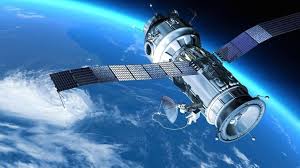
Satellite broadcasting is a communication tech that allows television signals to be transmitted over long distances using orbiting satellites. This approach enables channels to reach audiences across entire continents without relying on regional broadcasting towers. For channels such as BiriKina TV, satellite transmission ensures broader accessibility and improved audience reach, especially in regions where terrestrial broadcasting is limited or unavailable.
Availability of BiriKina TV on Satellites
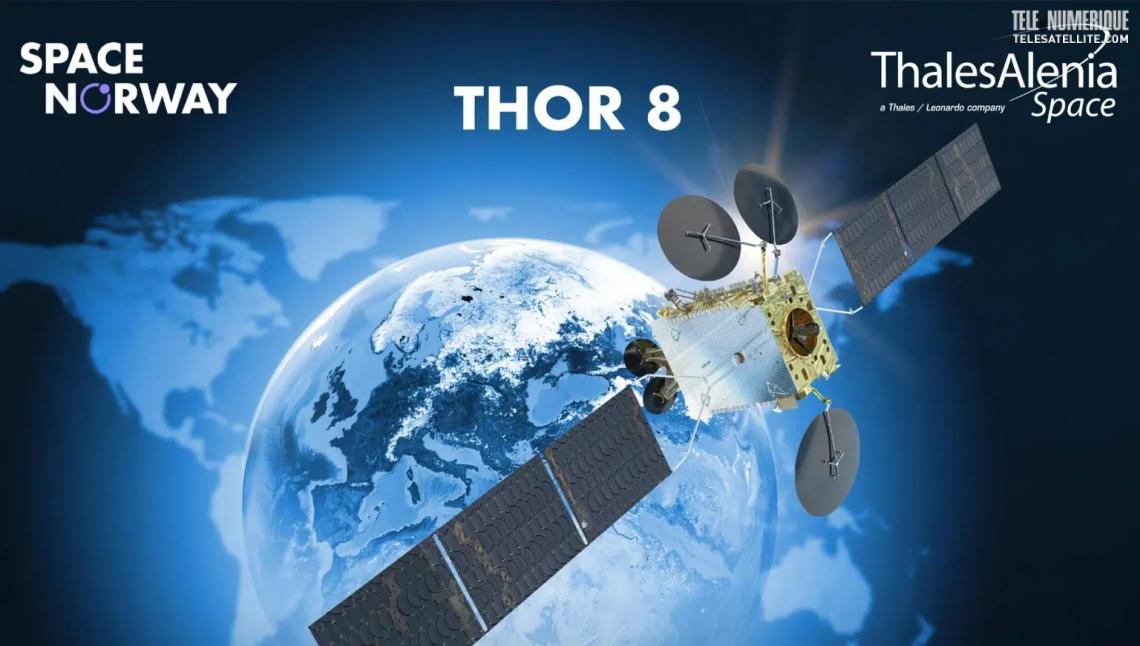
The availability of BiriKina TV depends on its distribution agreements and broadcasting system. Like many international or regional channels, it may be carried on different satellite systems depending on range objectives. These systems often contain widely used satellites that serve Europe, Africa, and parts of Asia and the Middle East. However, the channel may not be permanently fixed on a single satellite, and its presence can change over time.
Frequency Information
The frequency of BiriKina TV is not universally standardized across all satellites, as it may vary depending on the base carrying the channel. In general, satellite television channels operate within specific frequency bands such as Ku-band, which is commonly used for direct-to-home broadcasting.
Typical satellite reception parameters for channels similar to BiriKina TV contain:
- Frequency range: Varies depending on satellite provider
- Polarization: Horizontal or Vertical
- Symbol Rate: Usually between 27500 and 30000
- FEC: Common values contain 3/4 or 5/6
To find the channel, users are advised to perform a blind search or auto search on their satellite device. This approach allows the device to identify all available channels on the selected satellite, including newly added or updated frequencies.
Importance of Correct device Configuration
Proper configuration of satellite receivers is essential for successful channel reception. Even minor errors in frequency or dataunit rate configuration can avoid a channel from appearing. Users must guarantee that their satellite antenna is correctly aligned with the target satellite and that the device is set to the appropriate parameters. A well-configured system ensures steady transmission clarity and uninterrupted viewing.
Satellite Systems That May Carry the Channel
Channels like BiriKina TV are often distributed through multiple satellite networks depending on regional broadcasting rights. These may contain major satellite platforms that cover wide geographic areas. However, channel availability is not guaranteed across all satellites, and it may vary depending on licensing and transmission agreements.
Because of this variability, viewers should always verify updated satellite listings or perform periodic scans to confirm whether the channel is currently working on their system.
Online Streaming Options
In addition to satellite broadcasting, many current television channels offer online streaming services. If BiriKina TV provides digital entry, viewers may be able to watch its material through internet-based platforms. This allows entry via smartphones, computers, tablets, and smart televisions without requiring satellite equipment.
Online streaming has become an important complement to traditional broadcasting, offering flexibility and convenience for users who prefer on-demand viewing or do not have entry to satellite systems.
Equipment Requirements for Reception
To receive BiriKina TV via satellite, users need a standard satellite setup consisting of a antenna antenna, a compatible device, and proper cabling. The size of the antenna depends on the transmission power in the audience’s location, but most regions can use a standard Ku-band antenna.
The device must assist DVB-S or DVB-S2 standards, which are commonly used in current satellite broadcasting. Ensuring that the equipment is properly installed and updated improves the chances of successfully detecting the channel.
transmission Troubleshooting and Optimization
If BiriKina TV does not appear during a channel search, users should verify several factors. These contain antenna positioning, device configuration, and potential transmission obstructions such as buildings or weather conditions. Performing a blind search is often the most effective way to find missing channels.
Regular maintenance of satellite equipment, including checking cables and connectors, can also help keep strong transmission clarity and avoid interruptions.
Updates and Frequency Changes
Satellite channel frequencies are not permanent and may change due to technical adjustments, provider updates, or changes in broadcasting agreements. As a result, users should periodically rescan their satellite receivers to guarantee they continue receiving the latest available channels.
Staying updated with satellite configuration ensures uninterrupted entry and prevents missing important broadcasts.